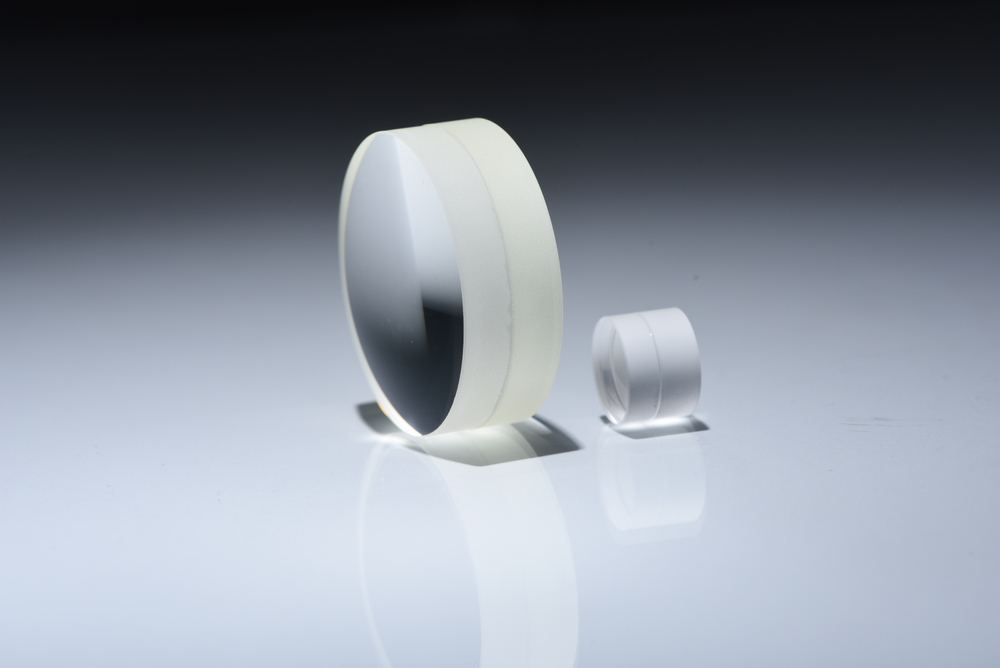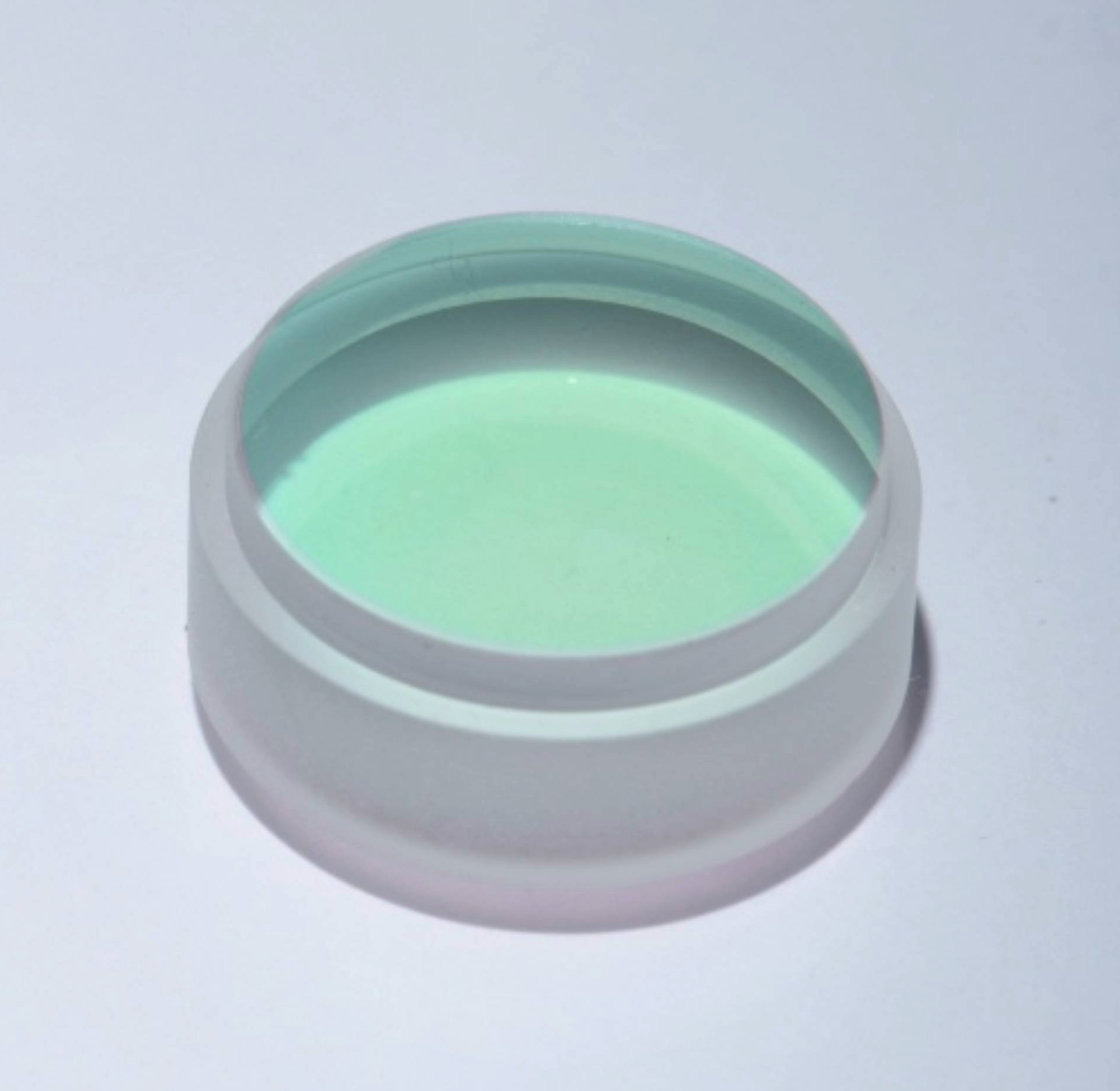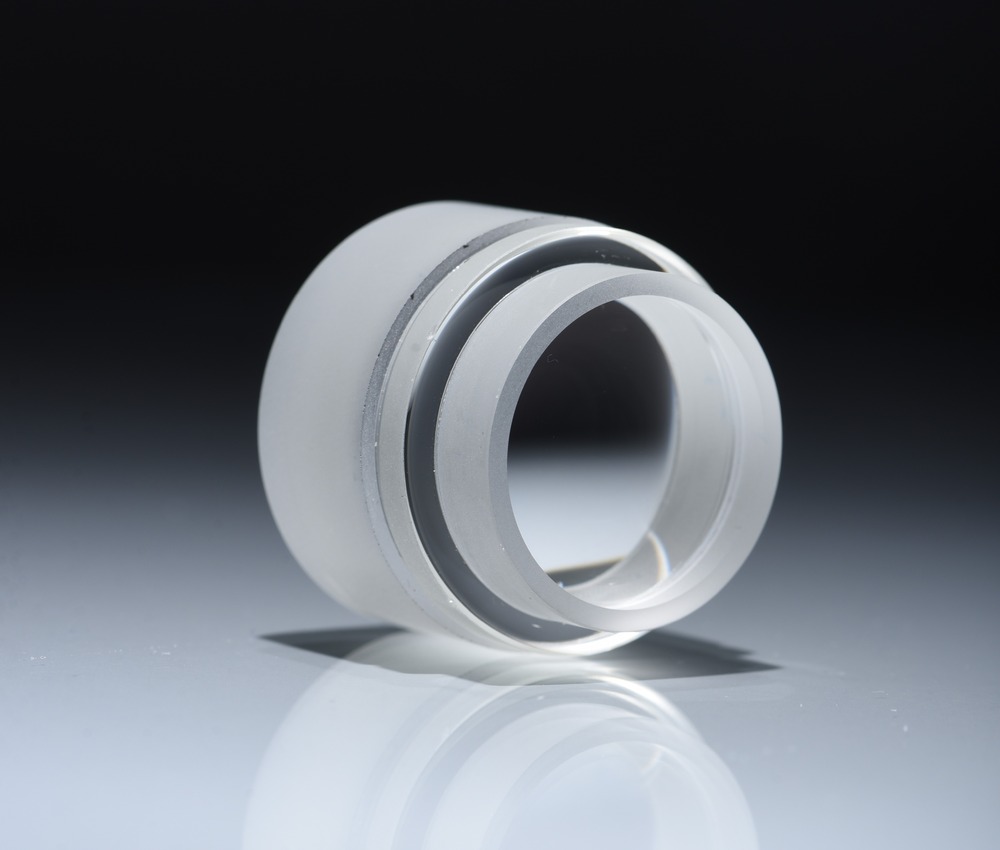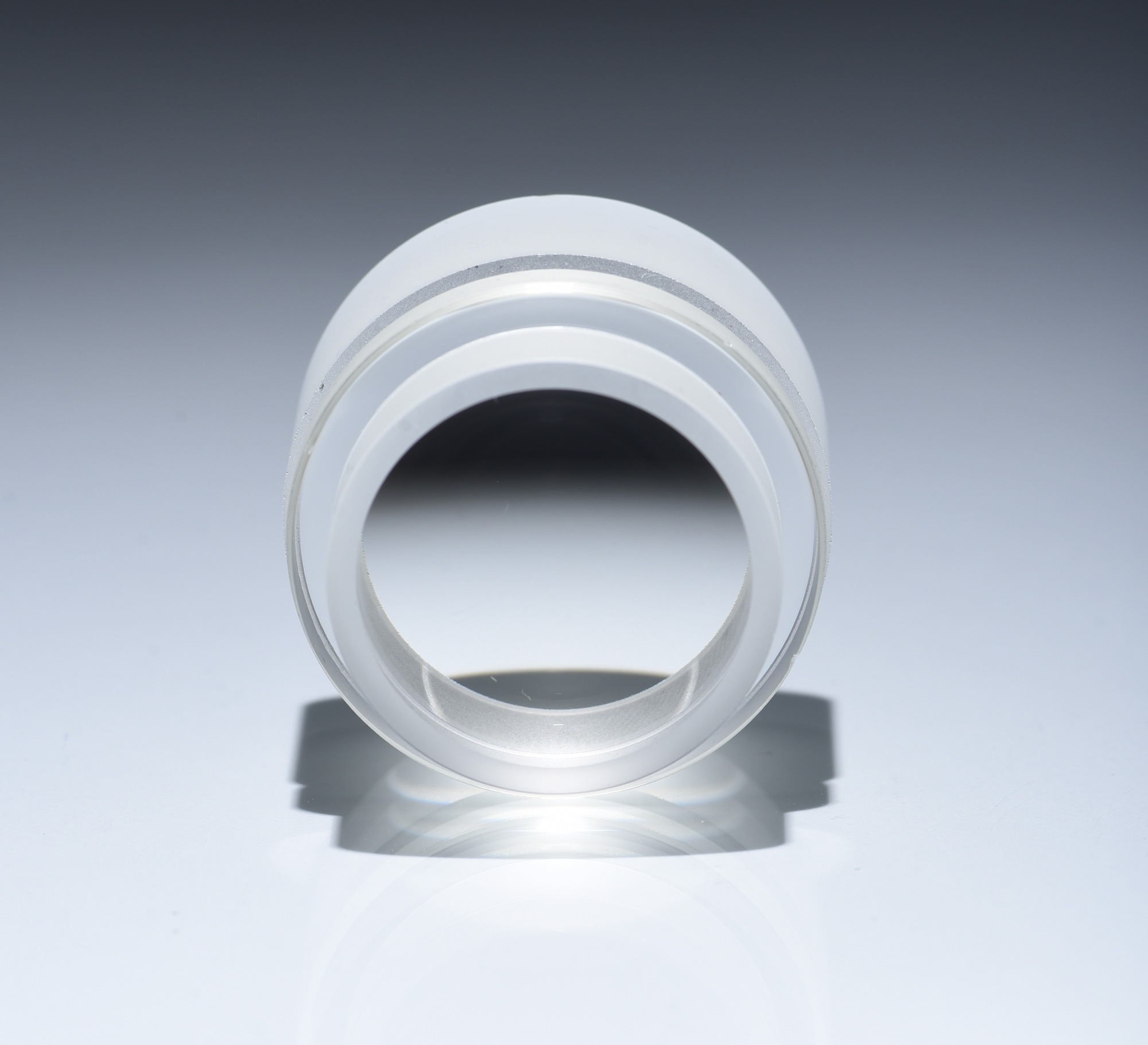
PFG achromatic lenses are designed to correct chromatic and spherical aberrations, producing sharp, true-color images across a broad wavelength band. By combining multiple glass types with different dispersion properties, these lenses focus light of different wavelengths to the same point. Ideal for imaging, laser, and metrology applications, PFG achromats deliver exceptional accuracy in demanding optical systems.
The PFG team assembles doublets and triplets with tight centration tolerances using the the latest Trioptics OptiCentric® alignment and inspection systems. PFG regularly achieves sub-arcminute accuracy in cemented assemblies and can verify optical axis alignment of interior cemented surfaces—a key capability as this alignment cannot be corrected at the lens assembly level and has image quality implications.
PFG expertise extends across a wide range of optical cements, including UV-curing adhesives, optical epoxies, and other specialized bonding methods tailored to specific wavelength or environmental requirements. Through our controlled curing processes, we minimize post-curing wavefront error. This combination of best-in-class equipment, material expertise, and process control allows PFG to deliver cemented assemblies with exceptional quality.
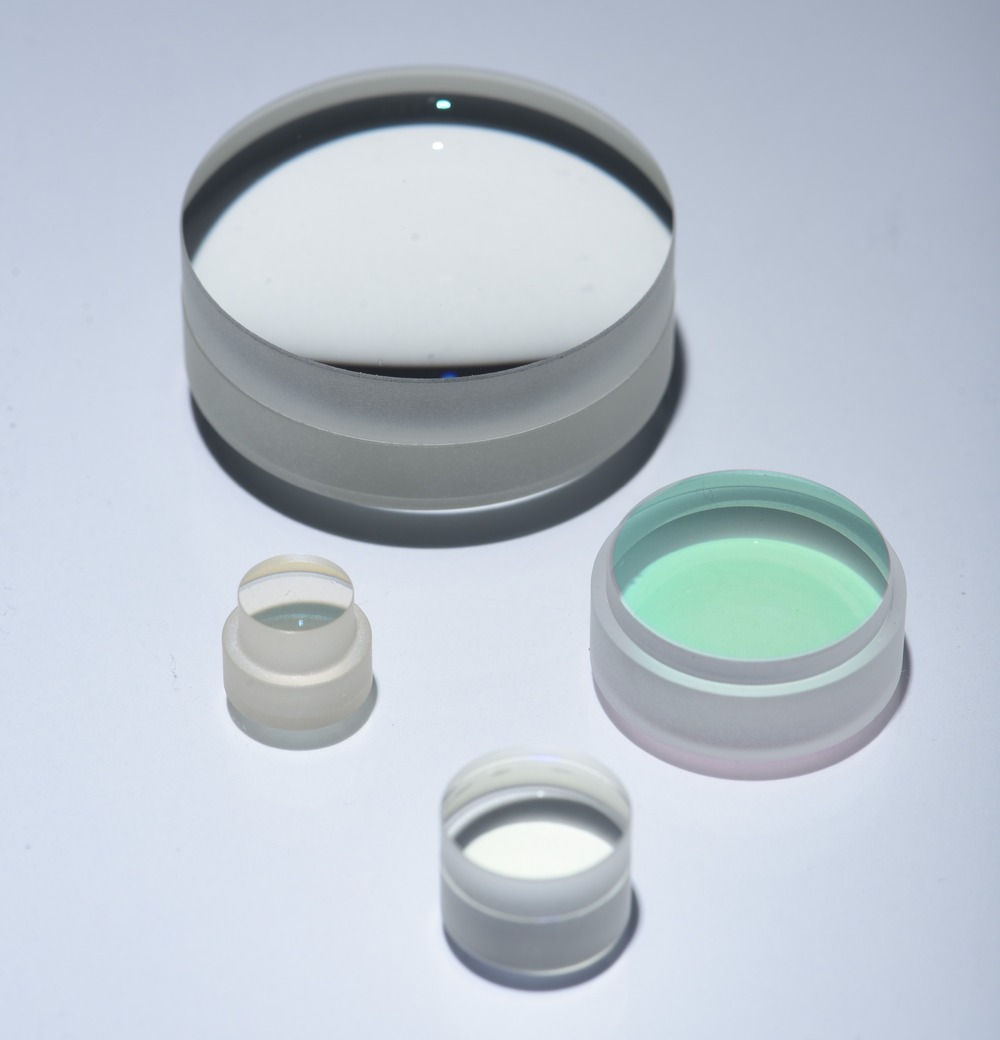
PFG specializes in manufacturing precision optical components in a range of geometries, supporting a broad range of materials from ultraviolet to mid-wave infrared (MWIR) applications. Here are some of the most common lens configurations: